Feeling Pressure or Heaviness Down There?

‘I don’t have a dome on my belly but why is there always this heaviness, dragging feeling down there?’
You may feel like something is “coming down” or notice vaginal fullness or a bulge, especially after standing, lifting, or exercising.
These symptoms may be linked to pelvic floor dysfunction or pelvic organ prolapse. Both conditions are common Women’s Health Problems, it affected 1 in 10 women.
In this article we discuss these two Women’s Health issues to help you understand the causes, to help you find the right pelvic floor physiotherapy and support.
What Is Pelvic Floor Dysfunction?
First of all, a quick recap about pelvic floor muscles – this is group of muscles, ligaments, and connective tissues that form a hammock-like structure at the base of the pelvis — supports the pelvic organs, including the bladder, uterus (in females), and rectum, and plays a key role in functions like; bowel and bladder control, core stability and childbirth(in female). Read more about pelvic floor in our previous article: (Faith, please help to article 16’s link here, but remove this highlighted line yea, thx.) https://www.rehabconcept.com.my/after-baby-things-feel-different-lets-talk-pelvic-floor-recovery/
This hammock can get stretched and weakened due to:
- pregnancy and childbirth (vaginal delivery),
- C-section,
- Prostate surgery(male), and
- Other lower abdominal surgeries
The weak ‘hammock’ loses its ability to hold up the pelvic organs it originally supported – is now known as ‘Pelvic Floor Dysfunction’. Pelvic Floor Dysfunction then contributes to Pelvic organ prolapse (POP), where one complains of the symptoms such as pelvic pressure, heaviness, bladder or bowel changes – either voiding difficulty, incontinence or constipation, and discomfort during exercise.
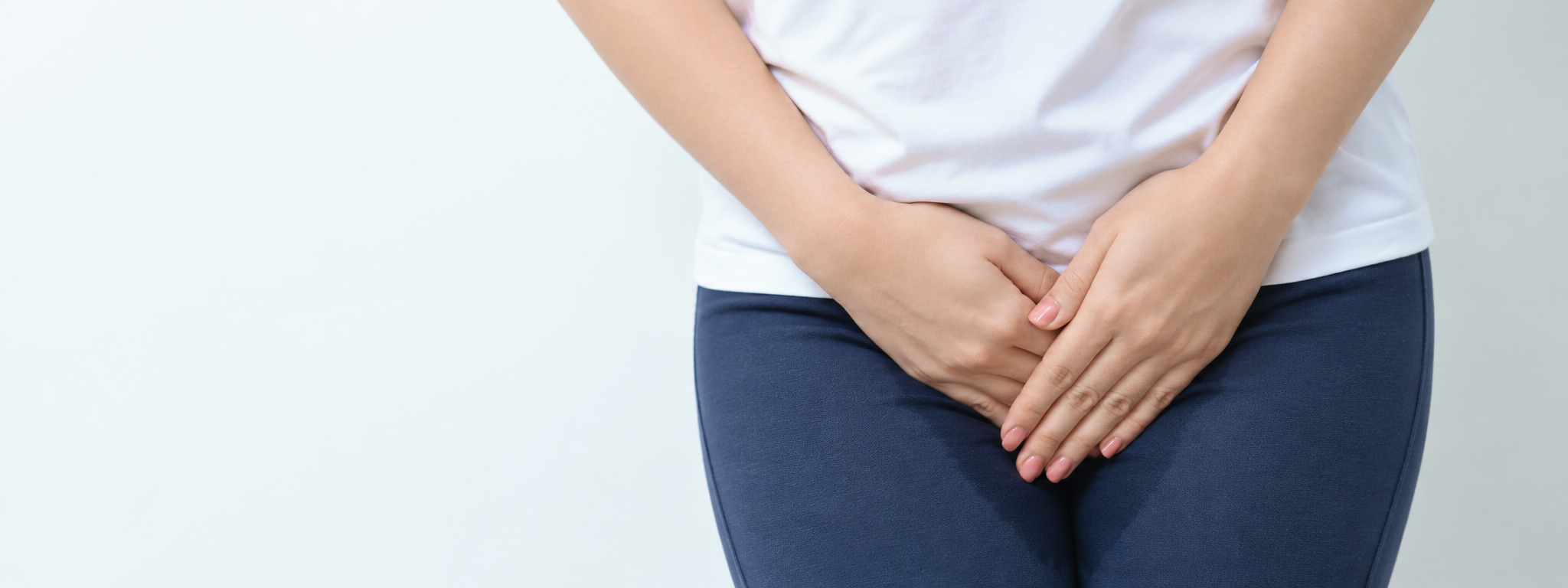 Figure 1: Urinary incontinence – a common symptom of Pelvic Floor Dysfunction.
What Is Pelvic Organ Prolapse?
Now you get the idea that Pelvic Floor Dysfunction leads to Pelvic organ prolapse (POP), where the bladder, uterus, or bowel moves downward into the vagina.
In women, it can happen after pregnancy and childbirth, but POP can also occur with ageing, constipation and straining, chronic coughing, or other factors.
Some women have prolapse without symptoms, while others may notice pelvic pressure, vaginal heaviness, or a bulge. Figure 2 shows the categories of Pelvic organ prolapse (POP):
- Anterior vaginal wall prolapse – It happens when the bladder slips out of place and bulges into your vagina, causing anterior vaginal wall prolapse. This is the most common type of POP.
- Urethrocele – When the pelvic floor is too weak to hold up, your urethra – the tube that drains urine out of our body, drops into vagina together with your bladder.
- Posterior vaginal wall prolapse – Pelvic floor muscles also cover the area between vagina and rectum – the final part of the large intestine that feces before it leaves our body. When muscles in this area weakened it caused the rectum to bulge onto the back of your vagina.
- Enterocele – the small intestine to bulge onto the back wall of your vagina.
- Uterine prolapse – uterus drops down into your vaginal canal.
- Vaginal vault prolapse – the top part of your vagina drop into the vaginal canal, think about it like its roof ‘collapses’ inward.
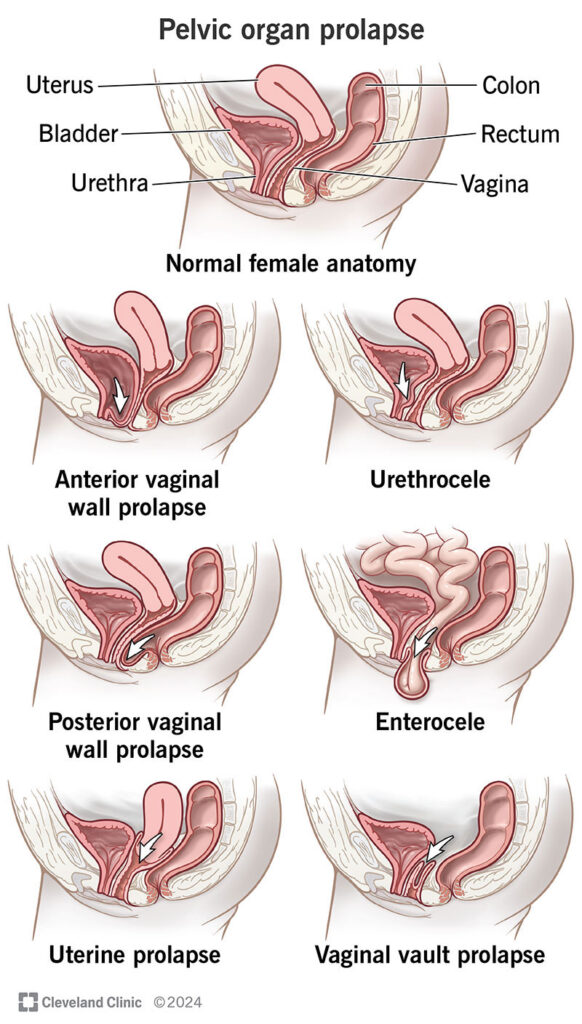 Figure 2: Types of Pelvic Organ Prolapse. Image source: Cleveland Clinic 2024. Used for educational purposes.
Can Physiotherapy Help?
Yes. Women’s Health physiotherapy / Pelvic floor physiotherapy can help you understand your symptoms and improve pelvic floor function.
Treatment may include:
- Pelvic floor exercises
- Core and hip strengthening
- Breathing and pressure management
- Exercise modifications
- Pelvic floor trigger point therapy and relaxation – as needed
- Functional retraining such as guidance for lifting and daily activities
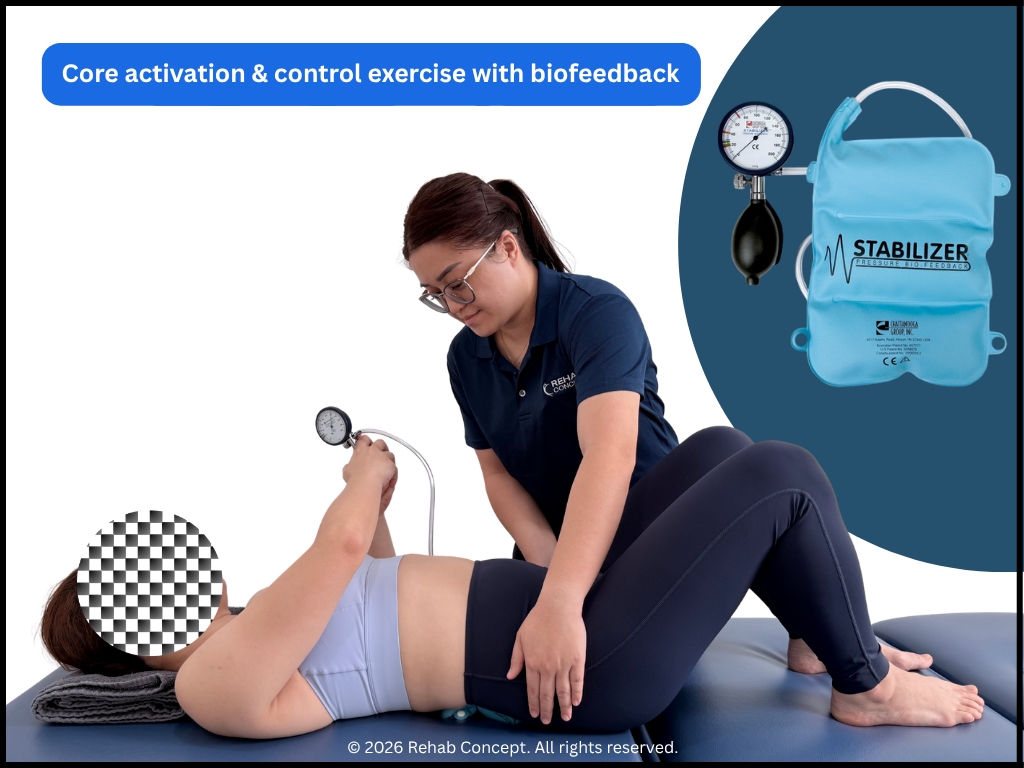 Figure 3: Core activation and control exercise with biofeedback
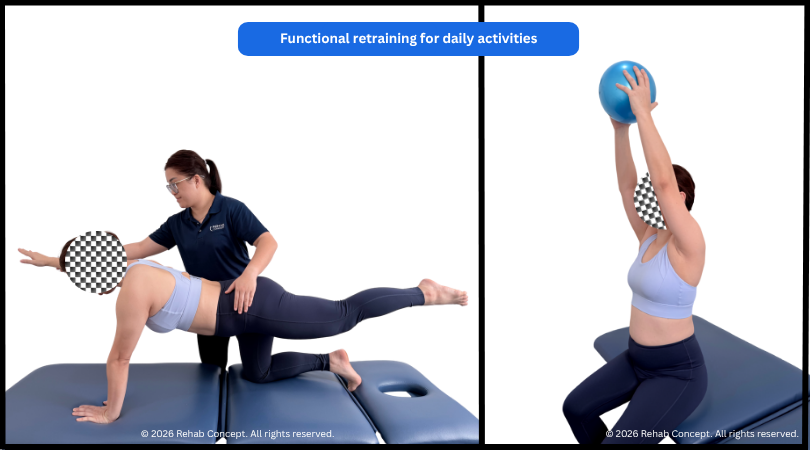 Figure 4: Core, back, hip strengthening exercises.
The goal is not simply to “tighten” the pelvic floor. It is to improve support, strength, coordination, and confidence.
Do I Need to Stop Exercising?
Not necessarily.
Many women can continue to exercise moderately, doing what’s right. If running, lifting, jumping, or another activity increases your pelvic pressure or vaginal heaviness, our physiotherapist can help you modify your exercise and gradually build your strength.
When Should I Seek Help?
Consider seeing a Women’s Health/ Pelvic Health physiotherapist if you experience:
- Persistent pelvic pressure or vaginal heaviness
- A feeling of something coming down
- A vaginal bulge
- Bladder or bowel changes
- Symptoms that affect exercise or daily activities
Act early before your symptoms become severe. In the case where your condition requires more attention / a second opinion, the therapist may refer you to an Obstetrician and Gynaecology Specialist, or a Uro-Gynaecology Specialist.
Frequently Asked Questions
- Is vaginal heaviness a sign of prolapse?
It can be. Vaginal heaviness and pelvic pressure are common symptoms of pelvic organ prolapse, but they can also have other causes.
- Can pelvic floor exercises help prolapse?
Pelvic floor muscle training may help improve symptoms for some women. The right exercises depend on your individual pelvic floor function.
- Should I do Kegels if I have pelvic pressure?
Not always. Some women need strengthening, while others may need to improve relaxation and coordination. An assessment can help determine what your pelvic floor needs.
- Can I exercise with pelvic organ prolapse?
Often, yes. You may be able to continue exercising with appropriate modifications and guidance based on your symptoms.
- Can prolapse happen after pregnancy?
Yes. Pregnancy and childbirth can affect the pelvic floor and the tissues supporting the pelvic organs. However, prolapse can occur at any stage of life.
Your Pelvic Health Matters, Pelvic pressure and vaginal heaviness are not symptoms you simply have to live with.
Don’t wait to get the right support. If you’re experiencing pelvic floor symptoms, consider starting your recovery with Rehab Concept Kuching and Rehab Concept Petaling Jaya. Our women’s health physiotherapy / pelvic health physiotherapy approach focuses on helping you improve pelvic floor function, strength, movement, and confidence — so you can get back to the activities you enjoy.
Follow our Instagram and check out some helpful tips in our other articles:
https://www.rehabconcept.com.my/after-baby-things-feel-different-lets-talk-pelvic-floor-recovery/
https://www.rehabconcept.com.my/frequent-urges-or-urine-leaks-understanding-urinary-incontinence/
READ ALSO: https://www.rehabconcept.com.my/why-does-my-belly-still-look-pregnant-after-birth/